

On Mar 30, 2026, Dr. Hui Xu, Associate Professor of Psychology at the University of Macau, discussed the persistent challenges school counselors face in translating career development research into effective daily practice. He introduced VocationalCompass, a bilingual platform he developed specifically to help bridge the science-practice gap in career guidance.
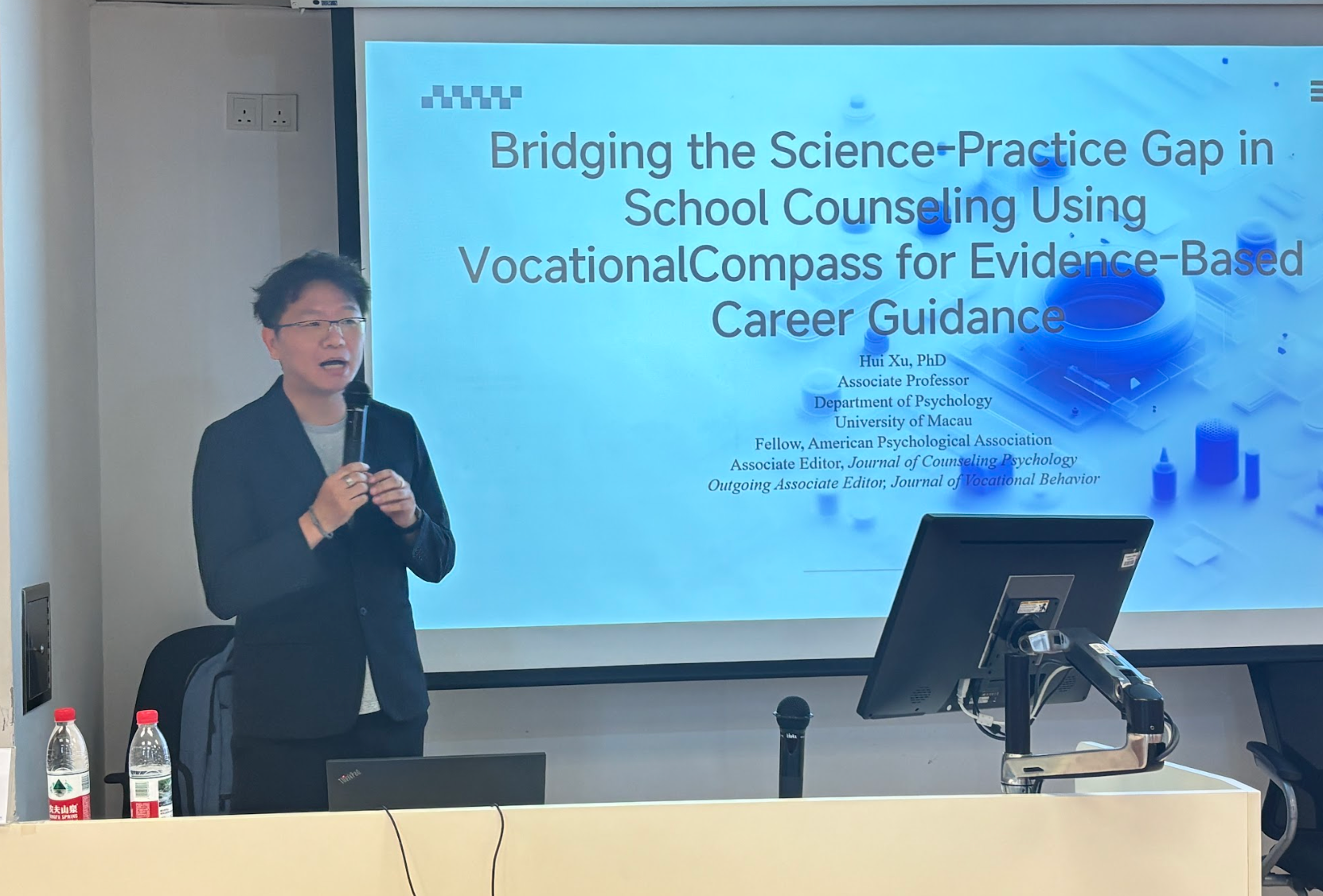
Dr. Xu pointed out that vocational interest and personality assessments offer moderate predictive power but are never fully deterministic. No tool can provide perfect decision-making accuracy. The real value comes from how counselors artfully integrate these insights into deep, individualized conversations with students or clients. He noted that while many conventional career tools exist, they often have significant limitations. For example, the Strong Interest Inventory, despite its long history and multiple revisions based on Holland’s theory, relies on single-dimension scores, contains mixed items, and offers very low interactivity. The O*NET Profiler provides rich occupational information through U.S. government resources but also has measurement issues in its interest assessment.
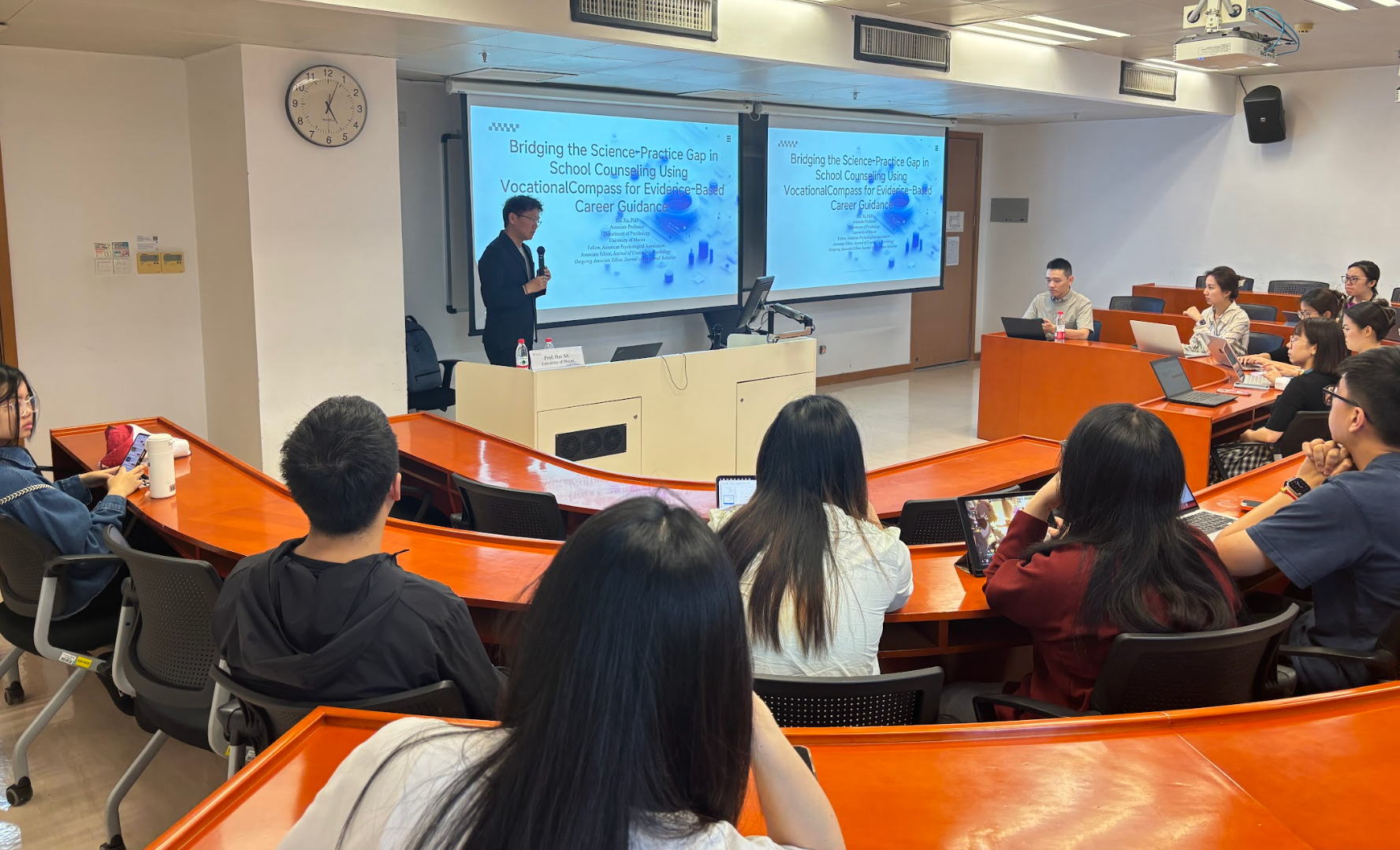
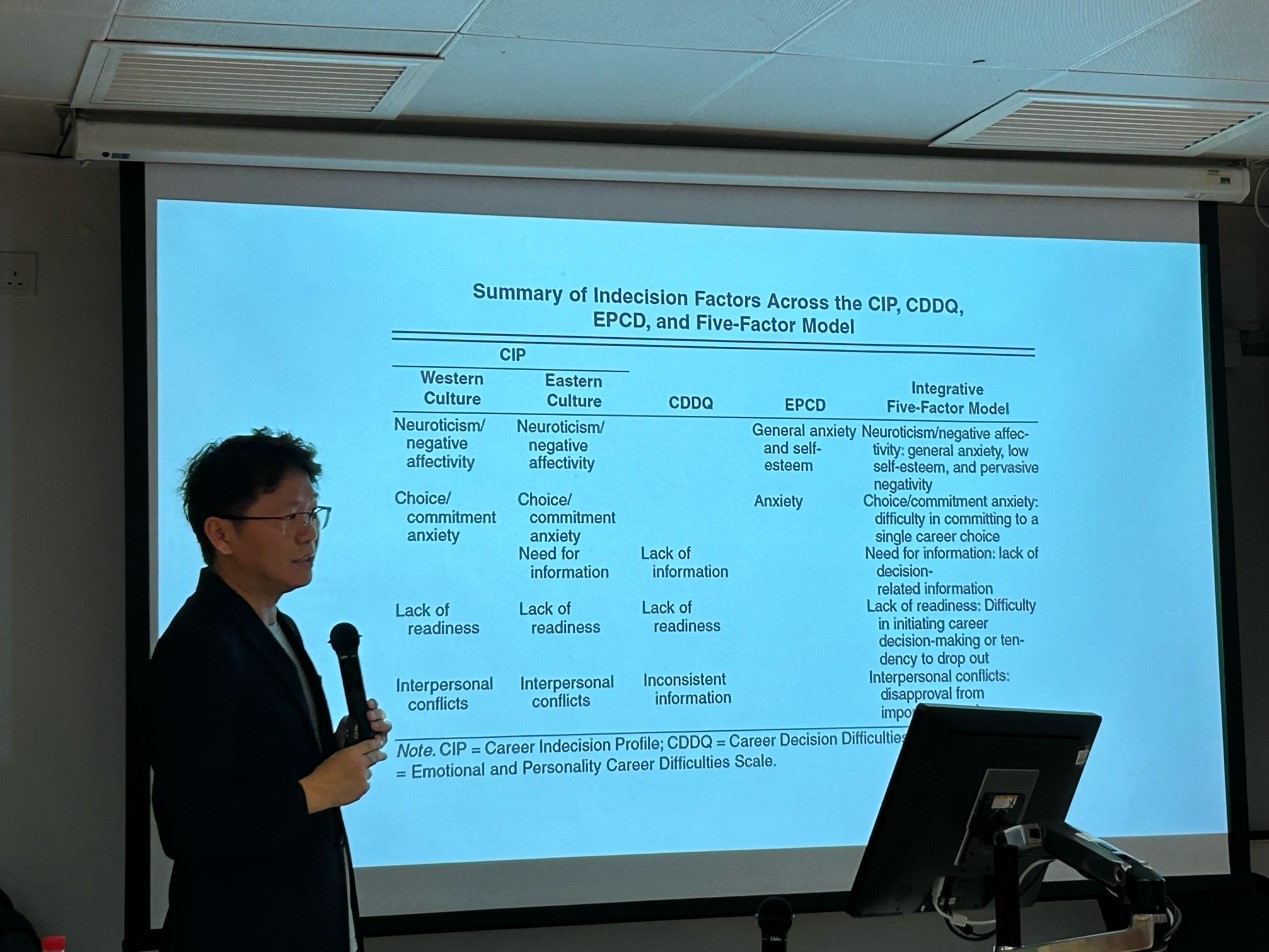
Observing these gaps, Dr. Xu created VocationalCompass based on newer interest and career decision theories. The platform optimizes test items for greater measurement precision, connects to a large occupational database, offers free core functions, and supports both English and Chinese. A key innovation is its interactive, AI-enhanced design. Instead of delivering a static report, the system not only recommends occupations but also explains why certain careers are suggested and why others are not, turning the process into a dynamic reflective dialogue. Dr. Xu emphasized that interests are important and should not be ignored, yet they are never the sole deciding factor. He drew an analogy from psychotherapy: CBT is the most researched approach, but the volume of research does not automatically make it the most effective for every client. The same principle applies to career interests. In addition to interests, he highlighted career decision-making difficulties as another critical element. His platform incorporates an integrated five-factor model of decision difficulties: neuroticism (general negative emotional states), lack of information, choice commitment anxiety, lack of readiness, and interpersonal difficulties. The last factor is especially relevant in East Asian cultural contexts, where parental expectations and financial support often create strong interpersonal pressures.
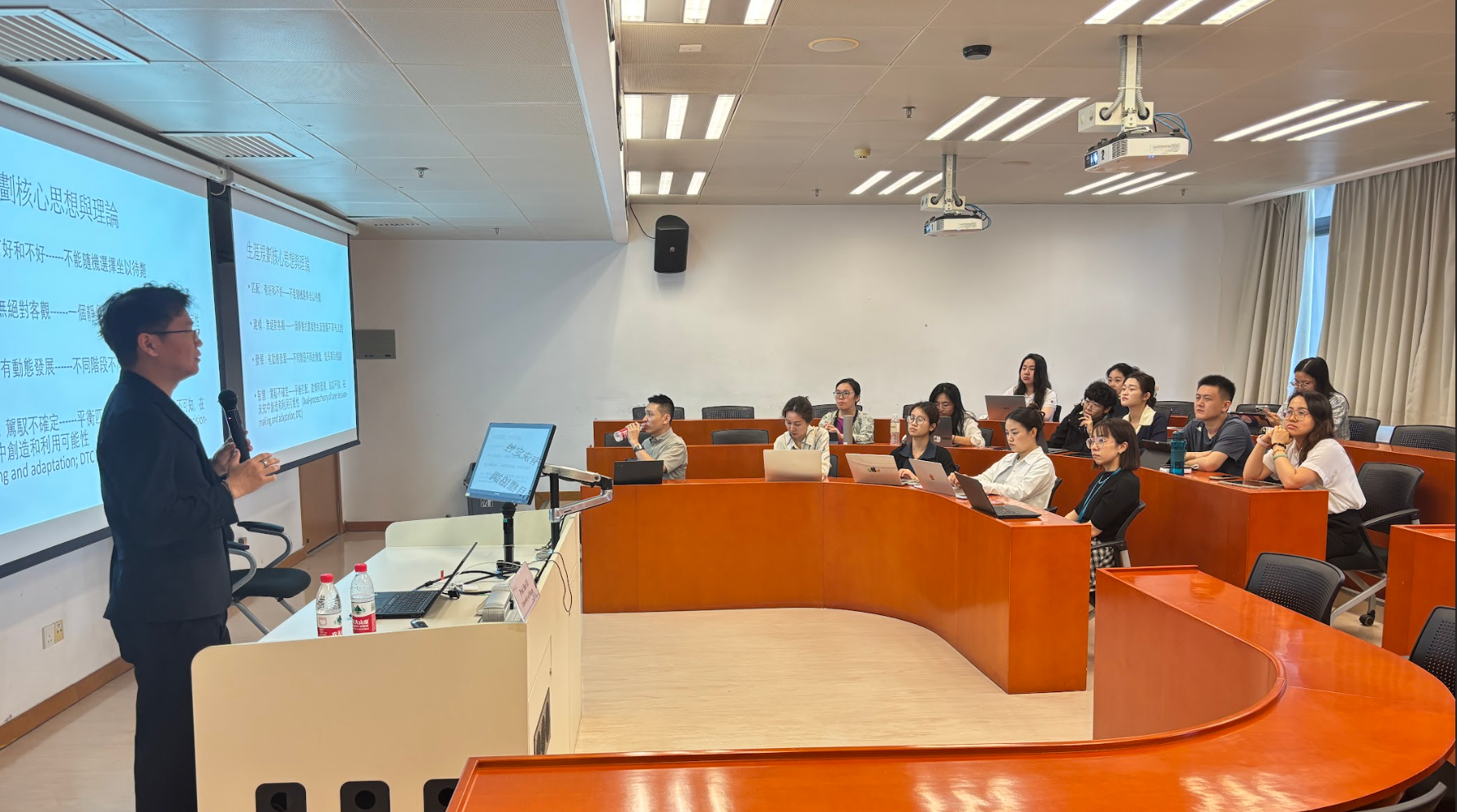
VocationalCompass consists of two main assessment systems. The first focuses on vocational personality and interests, measuring traits across eight dimensions and generating occupation and major recommendations with multiple ranking options, including match strength, prestige level, and combined scores. It also provides labor market outlook information. Particularly useful features include in-depth explanations for each recommendation, occupation comparison tools, related occupation exploration, AI-generated personalized activity plans spanning from five weeks to two years, PDF report generation, sharing options, and the ability to adjust scores during counseling sessions. The second system assesses career decision-making difficulties using standardized scores relative to a reference group. It helps users quickly identify core barriers and provides targeted intervention strategies, resources, and customizable five-week intervention plans. The platform also supports longitudinal progress tracking, which is valuable for monitoring development over time.
Dr. Xu outlined several practical applications in school counseling settings. These include one-on-one counseling sessions where students complete assessments and counselors use the detailed reports for deeper dialogue, classroom or group activities with real-time testing and feedback, and long-term career development tracking through student profiles, especially useful during the critical transition from junior high to high school. He also addressed a common concern raised by students in highly competitive environments: the desire for financial security often competes with the pursuit of passion. Dr. Xu explained that interests and money need not be in opposition. One practical approach is to let the main job provide financial stability while nurturing interests outside of work. The balance ultimately depends on the individual’s personal weighting of extrinsic and intrinsic motivations, and counselors should help students explore this thoughtfully rather than offering one-size-fits-all answers.
During the Q&A session, students raised thoughtful questions about the tool’s design and practical use. One student noted that VocationalCompass resembles the Big Five or MBTI in the field of career development. Although these tests have gained wide popularity and promotion, they have also faced professional criticism, one of which is the over-generalization of complex concepts. The student asked Prof. Xu whether VocationalCompass would encounter similar problems of over-generalization in career development assessments, and what role school counseling professionals should still play on top of it. Prof. Xu replied that all measurement tools are imperfect and cannot cover every subtle nuance; it is inherently a matter of trade-off. Therefore, VocationalCompass strives to achieve a balance between the two. This also underscores that school counseling professionals should consider each student’s specific situation. VocationalCompass serves more as a tool and assistant rather than playing a decisive role. In addition, another student questioned that although VocationalCompass analyzes children’s scores across multiple dimensions in career development, it does not take environmental factors into consideration. They asked whether this would affect the accuracy of the suggestions given by VocationalCompass. Prof. Xu responded that this is exactly where school counseling professionals need to provide further refinement. VocationalCompass offers a highly flexible system, allowing school counseling professionals to make personalized adjustments according to individuals from different environmental backgrounds.