On 21 October 2025, the FED-CEPECE titled “Parental Emotion Socialization in Chinese Culture: Expanding Theoretical Frameworks through Local Insights” was held at the Tin Ka Ping Lecture Hall. The seminar was delivered by Prof. Ruyi DING, Associate Professor at the Department of Psychology, Sun Yat-Sen University. Prof. DING’s research focuses on children’s socio-emotional development and its socialization processes within Chinese cultural contexts. Her work bridges cultural psychology and developmental science, challenging Western-centric frameworks through localized insights.
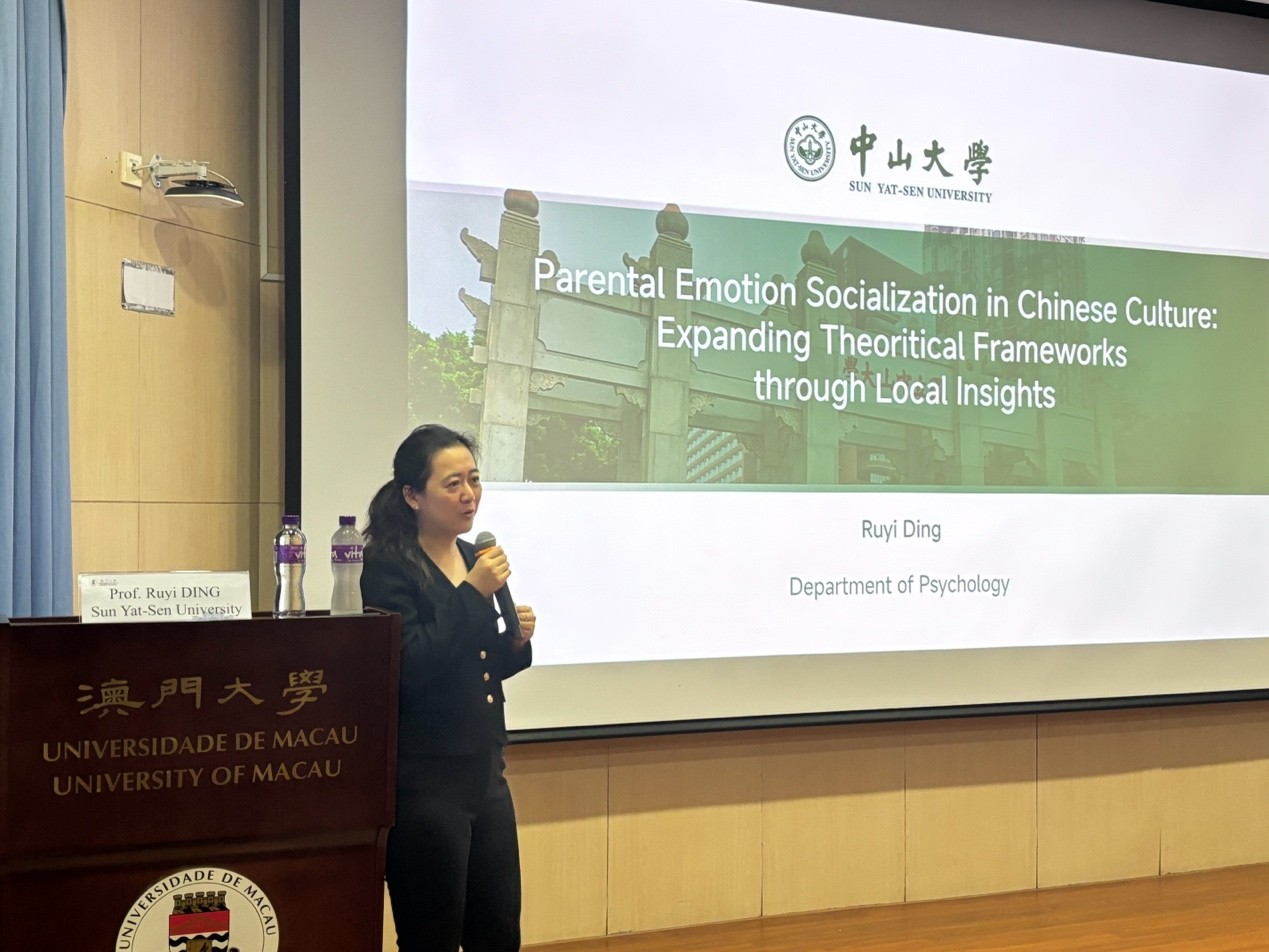
At the beginning of the seminar, Prof. DING pointed out that parental emotion socialization in Chinese families demonstrates distinct dynamics shaped by cultural norms, while most existing theoretical models have been developed from Western contexts. Her research aims to uncover how Chinese parents’ emotion-related practices influence children’s socio-emotional adjustment and mental well-being.
Prof. DING elaborated that adolescents’ emotional distress is frequently triggered by social interactions, such as conflicts with peers or teachers. For adolescents’ negative emotions, parents exhibit intrapersonally oriented responses such as comforting children’s emotions and helping the children to solve problems, which has been well recognized in prior frameworks proposed by Western researchers. Chinese parents also give interpersonally oriented responses to children, such as encouraging perspective taking, making attributions to others, and showing concern for others.In Chinese families, interpersonally oriented approaches to regulating children’s emotions may reflect collectivist values such as emphasizing relations and social harmony that are deeply rooted in Chinese society.
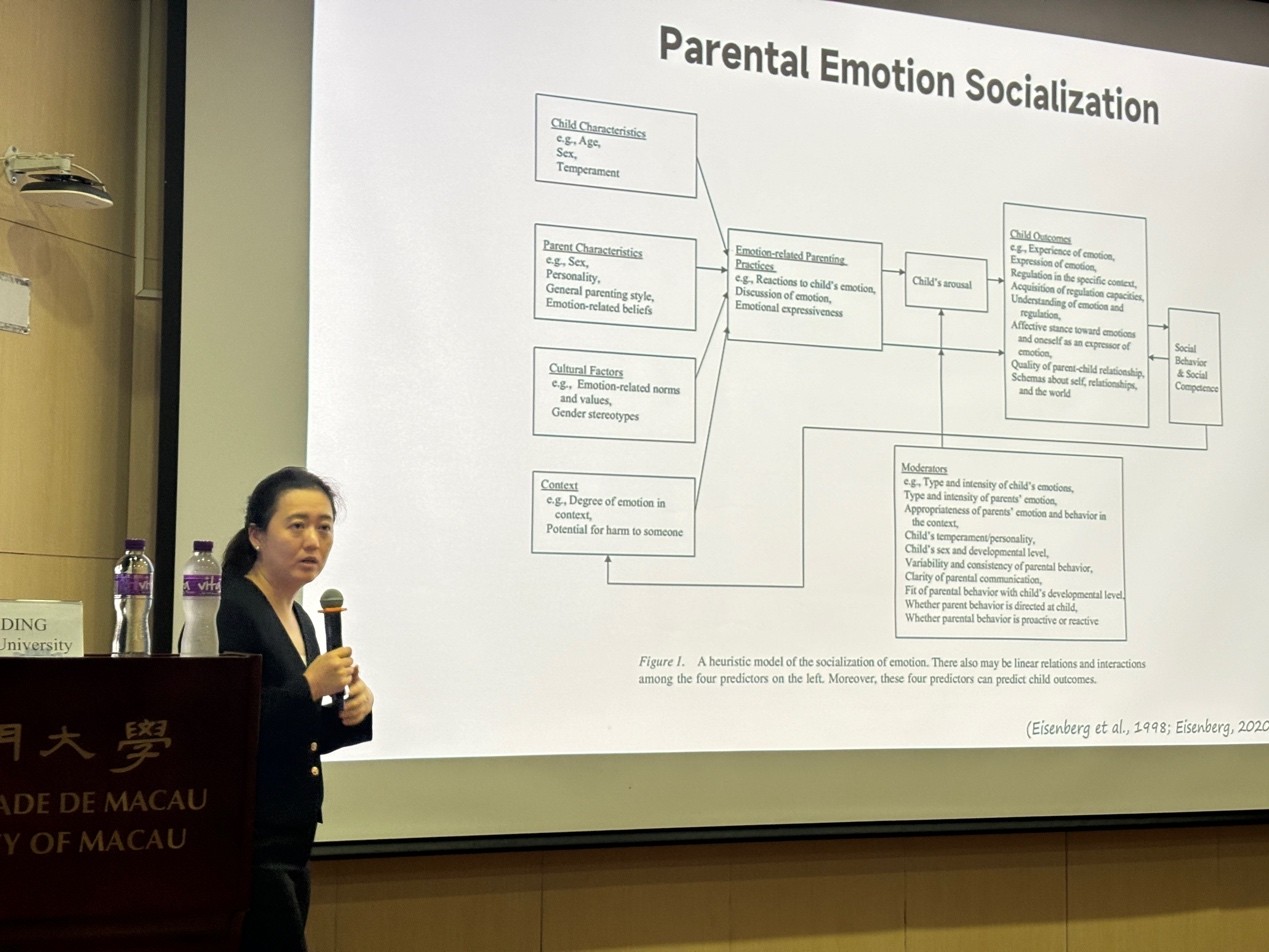
Employing advanced methodologies such as actor–partner interdependence models and network analysis, Prof. DING’s studies reveal how adolescents’ interpretations of parental behaviors mediate emotional outcomes, including emotional distress and school refusal behavior. Furthermore, her cross-cultural comparison of emotion-related norms in Chinese and American storybooks underscores the influence of cultural values on children’s emotional learning, showing how emotional expression is culturally framed and transmitted through narratives.
In her presentation, Prof. DING also emphasized the importance of context-sensitive theoretical frameworks. By integrating qualitative narratives (e.g., parental interviews) and longitudinal designs, her work advocates for the inclusion of culturally grounded perspectives.
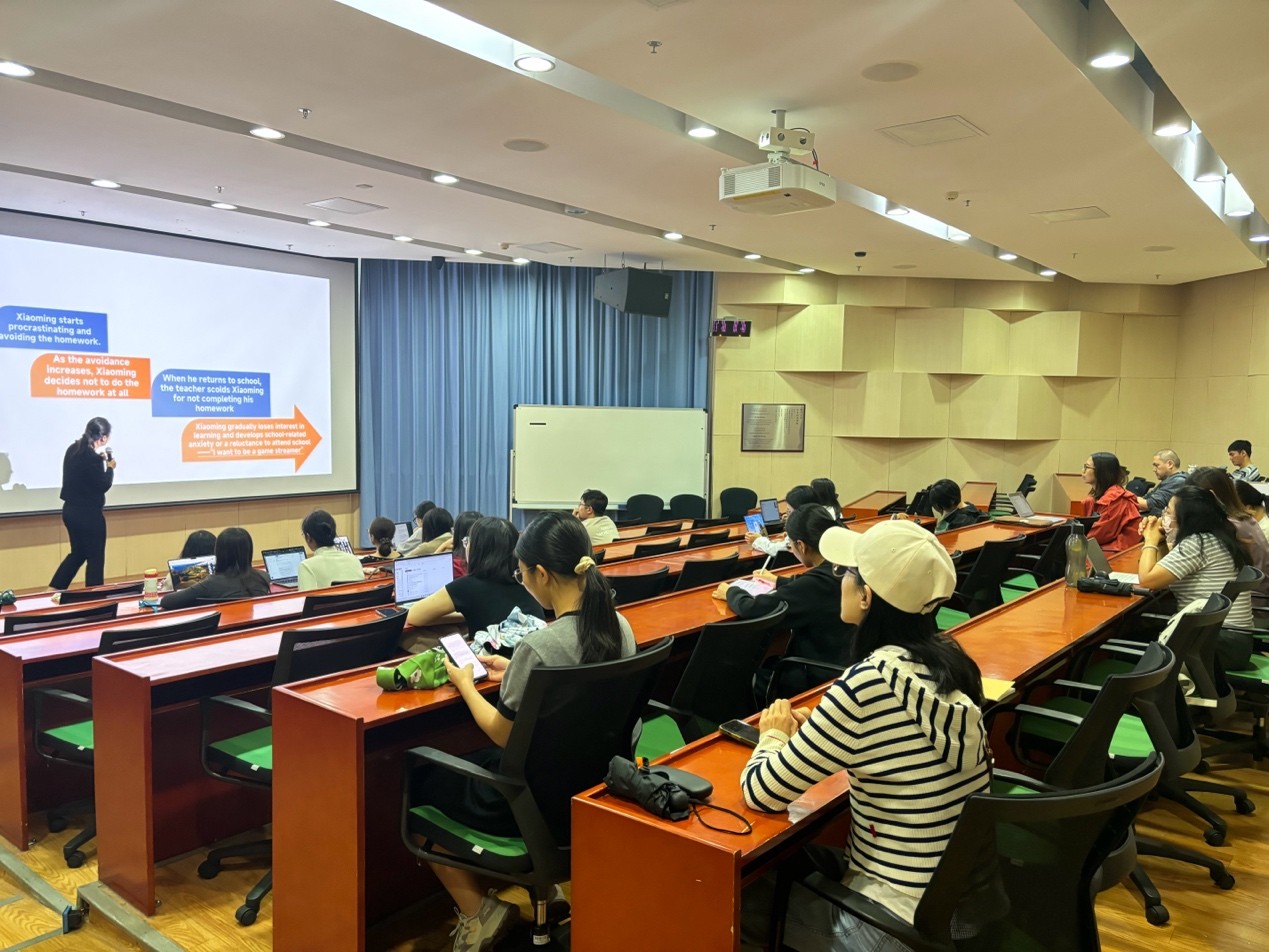
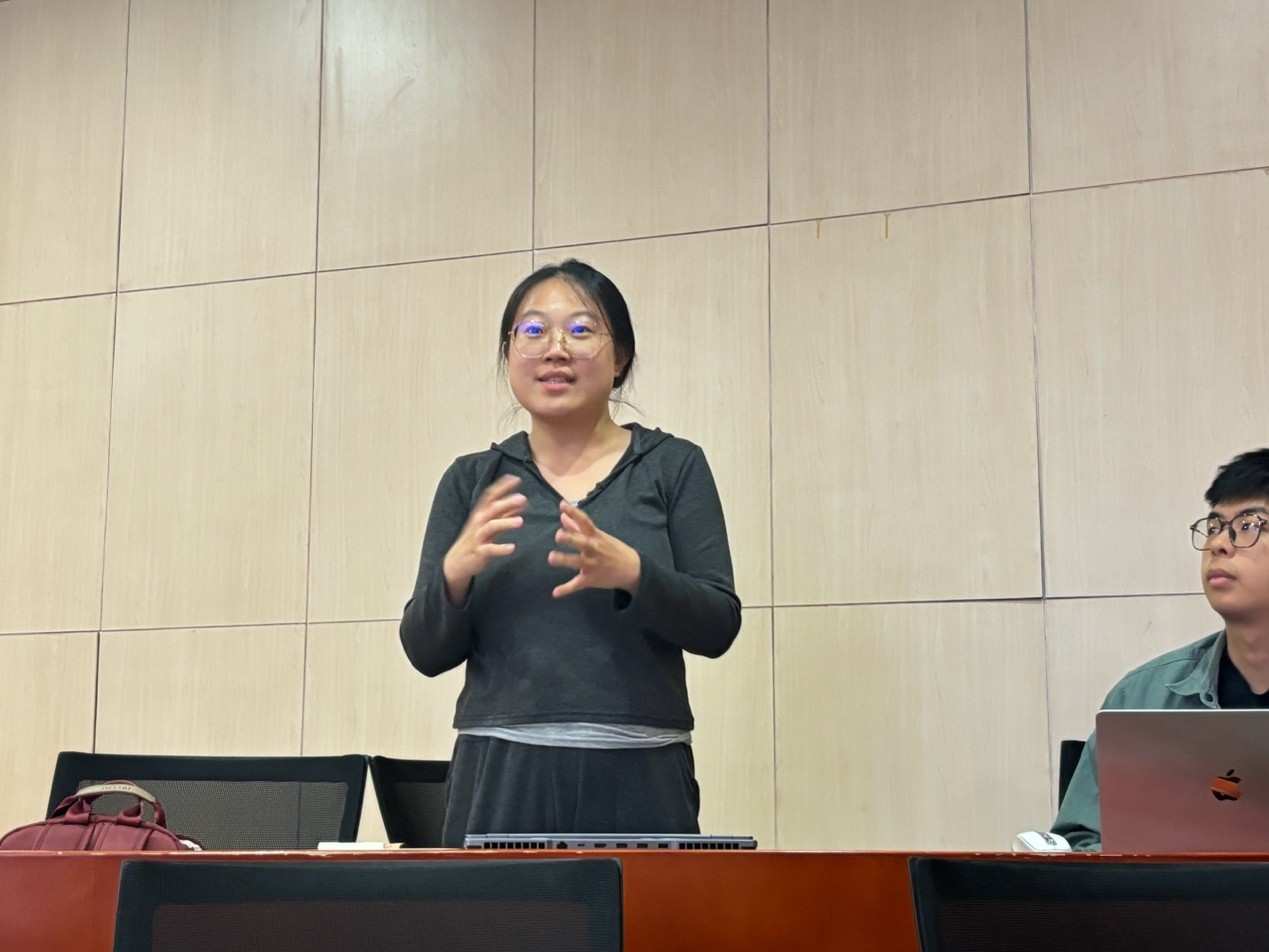
During the discussion session, faculty members and students engaged in an in-depth exchange with Prof. DING on topics such as emotional regulation, parenting practices, and the integration of cross-cultural methodologies in developmental research. The seminar offered valuable insights into the culturally specific mechanisms of emotion socialization and underscored the necessity of developing localized psychological frameworks to better understand socio-emotional development in Chinese families.